Money Saving Tips: Whip Your Savings Account Into Shape
When unexpected utility bills, medical costs, and car emergencies eat away at your bank account, your best plans for building a secure cash cushion can feel completely out of reach. Managing finances can feel daunting, but breaking your strategy down into tiny, microscopic steps is the easiest way to regain control.
For anyone working to establish smart investing habits or learning the ropes of a beginner portfolio guide, learning practical money saving tips is the ultimate first step.
Storing emergency cash under your mattress leaves your money vulnerable to inflation. Utilizing a proper savings account allows your cash to earn interest safely. Let’s look at how to automate your growth, evaluate high-yield bank options, and free up extra cash from your daily routine.
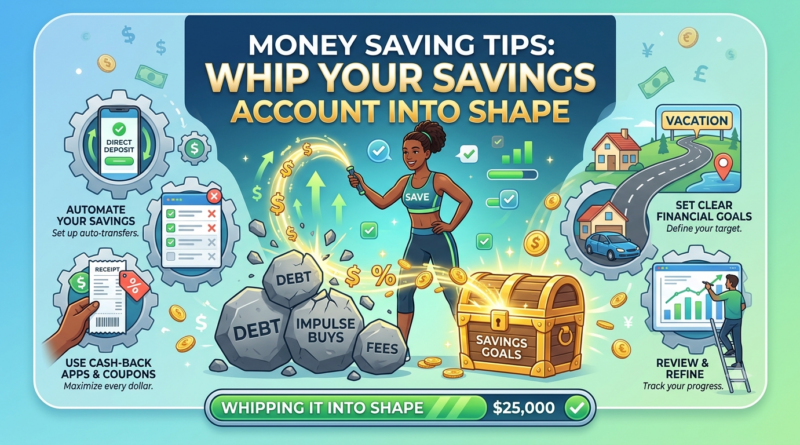
1. Take the Thinking Out of Saving (Pay Yourself First)
The biggest mistake most people make is trying to save whatever cash is left over at the end of the month. In reality, unexpected daily expenses usually swallow that remaining cash entirely.
To break this habit, you need to automate your system.
[ Your Paycheck Arrives ]
           │
           ├───> AUTOMATIC TRANSFER (First Day) ───> [ High-Yield Savings Account ] (Secured Growth)
           │
           └───> Remaining Balance               ───> [ Everyday Checking Account ] (Bills & Spending)
Set up an automatic recurring transfer inside your online banking app to move a fixed amount of cash (even just $20 or $50) from your checking account to your savings account the exact day your paycheck arrives. By paying yourself first, you safely tuck that money out of sight before you ever have the temptation to spend it.
2. Navigating the Rules of High-Yield Savings Accounts
Not all savings accounts are built equally. To maximize your interest returns, it pays to look beyond standard brick-and-mortar commercial banks and investigate digital banks or dedicated online savings products.
However, accounts offering premium banking services and competitive interest rates often come with specific structural requirements that you must carefully check:
1.Verify the Minimum Deposit Balance:
Many premium high-yield savings accounts require you to establish or maintain a specific minimum balance to earn the advertised top-tier rate. However, some online-only banks cater directly to beginners, offering competitive returns with a low minimum requirement.
2.Check Annual Withdrawal Restrictions
To encourage long-term growth, high-interest accounts frequently restrict the number of withdrawals you can execute each year. If you pull money out too often, the bank may penalize you or slash your bonus interest rate to a baseline minimum.
3.Verify Regulatory Safety Seals
Never deposit your hard-earned cash into an unverified institution. Always cross-check the bank or credit union’s platform to ensure your cash deposits are federally protected by the FDIC or NCUA up to standard legal limits.
4.Establish Separate Tiers for Goals:
If you do not have an emergency fund ready, do not lock all your cash into restrictive accounts. Keep a small pool of liquid money accessible for immediate emergencies, and use high-yield notice saver accounts or term investments strictly for minor windfalls like tax returns, cash gifts, or career bonuses.
3. Seven Simple Tactics to Trim Daily Expenses
Automating your banking works perfectly when you have extra room in your cash flow. But if your budget is completely tight, you have to actively create that extra cash. Use these seven simple everyday rules to trim your variable overhead:
- Plan Big Purchases in Advance: Avoid spontaneous splurges. Wait for scheduled seasonal sales to buy high-ticket electronics, clothes, or appliances.
- Never Shop Hungry: Entering a grocery store or restaurant on an empty stomach triggers impulse buys. Eat a light meal before running errands.
- Cook and Pack Your Food: Preparing your meals at home and packing an office lunch eliminates expensive daily restaurant tabs.
- Schedule “No-Spending” Days: Challenge yourself to pick one or two days each week where you spend exactly zero dollars on non-essential items.
- Cap Plastic Spending with Cash: If you struggle with mindless swiping, leave your cards at home and carry a fixed envelope of physical cash for the week.
- Find Free Ways to Reward Yourself: Celebrate personal milestones with non-material rewards—like a hike in a local park or a movie night at home—instead of expensive retail therapy.
- Visualize the Ultimate Dream: Keep a physical picture or a digital note of your major financial goal—whether it is a down payment on a house, a reliable car, or a special vacation. Reminding yourself of the ultimate prize makes saying “no” to tiny daily impulse buys easy.
Quick Action Checklist
Ready to build up your financial safety net? Start executing these concrete steps today:
- [ ] Step 1: Log into your personal banking mobile app tonight.
- [ ] Step 2: Set up a tiny automatic transfer of $10 or $20 to slide into your savings account automatically on your next payday.
- [ ] Step 3: Spend 10 minutes researching online banking options to compare current savings interest rates against your current account.
- [ ] Step 4: Look over your schedule for the upcoming week and pick one specific day to declare a strict “No-Spending Day.”
- [ ] Step 5: Choose one item you normally buy casually (like an energy drink or afternoon snack) and cut it out this week to keep that extra cash in your wallet.