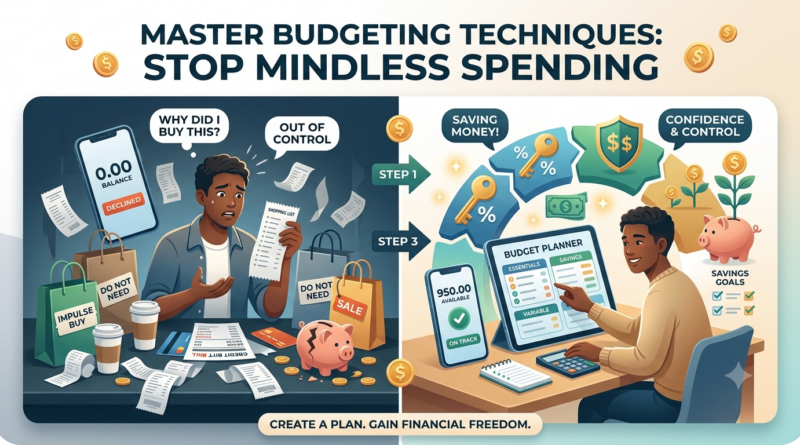
Master Budgeting Techniques: Stop Mindless Spending
At its absolute core, budgeting success is incredibly simple: spend less money than you make. Mastering this single concept is the definitive launching pad that allows you to forge a clear path toward financial freedom.
However, putting this plan into real-world action can be far more complex than it sounds. If you are a teenager trying to manage a first paycheck, an absolute beginner, or someone wanting a solid beginner portfolio guide, learning tactile budgeting techniques is essential to regaining control of your cash.
While digital banking apps and online spending reports make it easy to track your plastic transactions, swiping a card frequently disconnects your brain from reality. Let’s explore how to take your finances back to basics and look at proven everyday habits to kill mindless spending.
The Psychological Power of Cash
Swiping a piece of plastic or tapping your smartphone screen feels effortless. Because no physical currency leaves your hand, your brain doesn’t register the transaction as a loss. This digital detachment is exactly why it is so easy to overspend mindlessly.
To break this cycle, try a classic wealth-building exercise: The One-Week Cash Challenge.
[ Put Plastic Cards on the Shelf ] ───> Withdraw 1 Week of Cash ───> Track Every Penny Manually
                                                                          │
                                              ┌───────────────────────────┴───────────────────────────┐
                                              ▼                                                       ▼
                                    [ Increased Friction ]                                  [ Full Awareness ]
                             (Hurts to hand over physical bills)                      (No hidden app transactions)
Take a notepad and a pen. For exactly seven days, write down every single penny you spend—including the 50 cents you drop into a vending machine for a pack of gum. Put your debit card on a shelf and use physical cash for all your everyday variable expenses.
When you have to look at a wallet, count out physical bills, and watch the green paper disappear to buy an $8 fast-food meal, your brain instantly adds friction to the purchase. You will find yourself thinking twice about mindless spending.
Six Everyday Tactics to Protect Your Wallet
Once you rebuild your awareness of money, you can deploy specific, practical routines to permanently reduce your daily costs. Small leaks sink big ships, and optimizing your daily choices creates the surplus cash needed to build smart investing habits.
Tactic 1. Wake Up Slightly Earlier:
Time is money. Waking up just 15 to 20 minutes earlier provides the calm buffer space you need to mentally review your financial goals for the day and prepare your own food, preventing frantic, expensive convenience buys later.
Tactic 2. Pack Your Own Lunch:
Instead of paying $12 to $15 at a cafe every afternoon, shop for grocery staples at the start of the week and bring your meals to school or work. This simple shift saves your wallet hundreds of dollars a month—and saves your waistline unnecessary calories.
Tactic 3. Pre-Pack Inexpensive Snacks:
One of the most common budget traps happens when you enter a convenience store or restaurant on an empty stomach. Impulse spending sky-rockets when you are hungry. Keep raw almonds, fruit, or granola bars in your bag to keep your appetite—and budget—in check.
Tactic 4. Brew Your Coffee at Home:
Specialty drinks at cafes are a massive wealth drain. Buying a single premium coffee at a chain can easily equal the entire cost of brewing high-quality coffee at home for a whole week. Invest in a solid travel mug and make your own morning fuel.
Tactic 5. Become a Price Shopper:
Do you know the baseline market price of a gallon of milk, a loaf of bread, or a pack of chicken? Save your grocery receipts and explicitly memorize the regular prices of the things you buy most. If you don’t know what an item normally costs, you will never be able to separate a genuine discount from clever marketing hype.
Tactic 6. Utilize Digital & Physical Coupons:
Clipping coupons or tracking store apps is a time-tested technique to protect your cash flow. Before heading to the store, check your local supermarket’s reward app for immediate discounts on your frequently bought items. Every dollar saved is a dollar you can redirect into investments.
Quick Action Checklist
Ready to build ironclad control over your daily spending? Start using these practical steps today:
- [ ] Step 1: Grab a small physical notebook or set up a dedicated note file on your smartphone home screen.
- [ ] Step 2: Commit to documenting every single transaction, regardless of how small, for the next 7 days.
- [ ] Step 3: Go to an ATM, withdraw your discretionary spending budget for the week in cash, and lock your debit card away.
- [ ] Step 4: Look through your pantry tonight and pack a lunch and two snacks for tomorrow morning before you go to bed.
- [ ] Step 5: Download your favorite grocery store’s mobile app and clip three digital coupons for items that are already on your shopping list.