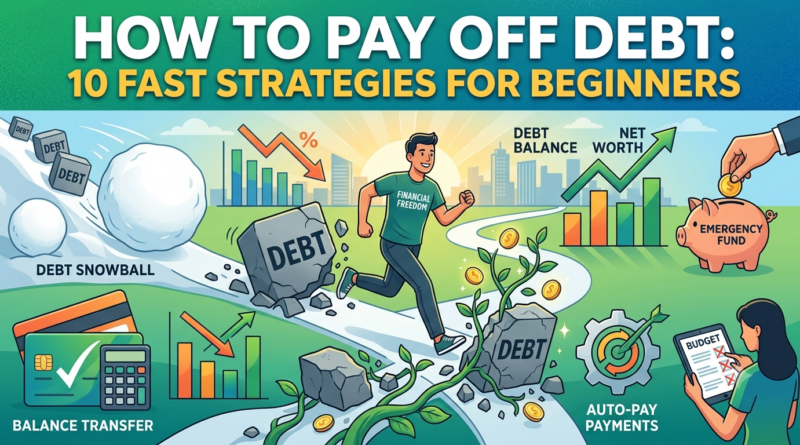
How to Pay Off Debt: 10 Fast Strategies for Beginners
When everyday living costs rise, carrying high-interest debt can feel like swimming against a powerful current while wearing an iron suit. For most households, the largest drains on cash flow include mortgages, car loans, education costs, and retail credit card spending.
If you are an absolute beginner to personal finance or a teenager trying to build smart financial habits early, learning how to pay off debt efficiently is your ticket to financial freedom.
Depending on how much money you owe, your plan might require minor lifestyle shifts or major lifestyle resets. Let’s break down 10 modern, actionable strategies to eliminate what you owe and reclaim your income.
1. The Geographic Reset: Move Somewhere Cheaper
It is never a good idea to run away from your problems—unless your destination can save you thousands of dollars a year in living costs. This approach is all about looking at the big picture to make the largest possible impact on your cash flow.
Moving to a city or province with a lower cost of living automatically reduces your base expenses, such as food, local taxes, and insurance. Alternatively, relocating closer to a major employment hub can boost your income. If you can keep your spending low while your salary goes up, you can throw the extra cash directly at your balances.
2. Downsize Your Housing Setup
Housing is usually a person’s single biggest monthly expense. If your mortgage or rent is consuming more than half of your income, you are “house poor” and will struggle to save.
Consider downsizing by selling a large home and moving into a smaller condo, townhouse, or apartment. If you own property, another option is renting out your initial home to generate passive rental income, while you live in a cheaper space.
What is Passive Income? Money earned automatically from assets you own, requiring minimal daily labor to maintain. Using rental income to pay down a mortgage is an excellent way to use real estate to your advantage.
3. Rethink Your Transportation
Owning a modern vehicle is a massive drain on your wallet when you factor in car loans, fuel, insurance, and routine maintenance.
If you live in a town or city with solid public transit, rideshare apps, or bike lanes, consider selling your car entirely. If selling isn’t an option, try parking it for a month and committing to walking or taking the bus. You will be amazed by how much cash you free up to pay off your debts simply by skipping the gas pump.
4. Launch a Side Hustle or Part-Time Job
The equation for beating debt is simple: increase your income or decrease your expenses. Doing both at the same time accelerates your progress dramatically.
Taking on a part-time job or freelance side hustle provides immediate extra cash. An added bonus? When you are busy working, you have less free time to spend money on shopping or entertainment.
[ Extra Side Hustle Income ] ───> Skip Your Bank Account ───> [ Pay Off Debt Directly ]
5. Embrace Zero-Cost Hobbies
Entertainment budgets can easily bleed hundreds of dollars a month through restaurant meals, concert tickets, subscription streaming services, and impulse shopping trips.
Challenge yourself to discover hobbies that cost absolutely nothing. Activities like hiking, bird watching, swimming, running, or visiting your local library increase your quality of life and physical health without costing a dime. Redirect every dollar you save on weekend entertainment straight into your debt payment app.
6. Cut Back on Costly Habits and Vices
Habits like smoking, vaping, or regular drinking take a massive toll on your physical health and your pocketbook.
Governments heavily tax these products, making them incredibly expensive over the course of a year. Cutting back or quitting altogether is an instant win for your budget. The money that used to vanish into temporary habits can now be used to buy your long-term financial freedom.
7. Split the Bills with a Roommate
After finishing school, many people look forward to living completely alone. However, flying solo is an expensive luxury when you are trying to figure out managing debt efficiently.
Finding a reliable roommate to split the rent or mortgage can cut your housing costs in half instantly. Beyond saving on rent, a good living arrangement can open up professional networking opportunities or provide a trusted backup option for shared responsibilities like household chores or childcare.
8. Re-evaluate Private Education Expenses
If you are paying thousands of dollars a year for private school tuition, it is time to take an objective look at your budget. Ask yourself: Is this private tuition a true necessity for your child’s specific learning needs, or is it a lifestyle choice that is keeping your family trapped in debt?
Many public school systems provide excellent education and extracurricular activities for free. Transitioning to a quality public school can free up a massive block of monthly cash, allowing you to clear your family’s debts and reduce household stress.
9. Leverage Your Existing Assets Safely
Take a close look at what you already own or the relationships you have to see if you can find a financial shortcut.
- Selling Unused Items: Clear out your garage, closet, or electronic drawers and sell things you no longer use on online marketplaces.
- Family Loans: Why pay 20% interest on a credit card to a major bank if a generous relative is willing to offer you an interest-free loan?
Common Pitfall to Avoid: If you borrow money from family, treat it with the exact same seriousness as a bank loan. Put the agreement in writing and set up a strict monthly repayment schedule. Damaging a family relationship over a sloppy loan is never worth the financial savings.
10. Go Green to Lower Your Bills
Embracing eco-friendly habits is great for the planet and incredible for your wallet. Simple daily adjustments can slash your utility bills:
- Energy Efficiency: Turning off lights, unplugging appliances when traveling, and lowering your thermostat by a couple of degrees can reduce your power bill.
- Government Incentives: Check your local government’s website for grants, tax credits, or rebates. Many regions offer financial help if you insulate your home, install solar panels, or utilize energy-efficient appliances.
Two Proven Methods for Paying Down Debt
Once you have freed up extra cash using the 10 strategies above, you need a system to apply that money to your balances. Two popular strategies work beautifully for absolute beginners:
The Debt Snowball Method
You list all your debts from the smallest balance to the largest balance, ignoring the interest rates. You pay the absolute minimum on everything except the smallest debt, which you attack with every extra dollar you have. Once that small balance hits zero, you take its entire monthly payment and roll it into the next smallest debt. This method gives you quick psychological wins that keep you motivated.
The Debt Avalanche Method
You list your debts from the highest interest rate to the lowest interest rate. You attack the debt with the highest interest rate first while paying the minimums on the rest. This strategy is mathematically optimal because it saves you the most money on interest charges over time.
Quick Action Checklist
Ready to start managing debt efficiently? Complete these steps this week to build momentum:
- [ ] Step 1: Write down a complete list of every debt you owe, including the total balance, minimum monthly payment, and interest rate.
- [ ] Step 2: Choose your strategy: decide whether the Debt Snowball (for fast motivation) or the Debt Avalanche (to save on interest) fits your personality best.
- [ ] Step 3: Audit your recurring subscriptions and cancel at least two apps or memberships you haven’t used in the past 30 days.
- [ ] Step 4: Pick one zero-cost hobby to replace an expensive weekend activity this month.
- [ ] Step 5: Log into your banking app and set up your minimum debt payments on auto-pay so you never get hit with a late fee.